Brazil’s AI adoption outpaces its governance, new report finds

More than a third of Brazilian organizations already have AI initiatives shaping their products, services, or business models, but their ability to govern that technology is falling behind, according to a new report from the Markets Innovation & Technology Institute (Miti), produced with support from FTI Consulting.
Brazil is in the midst of an AI inflection point, according to the report. Across industries, organizations are exploring how AI can streamline operations, improve decision-making, and support new products and services.
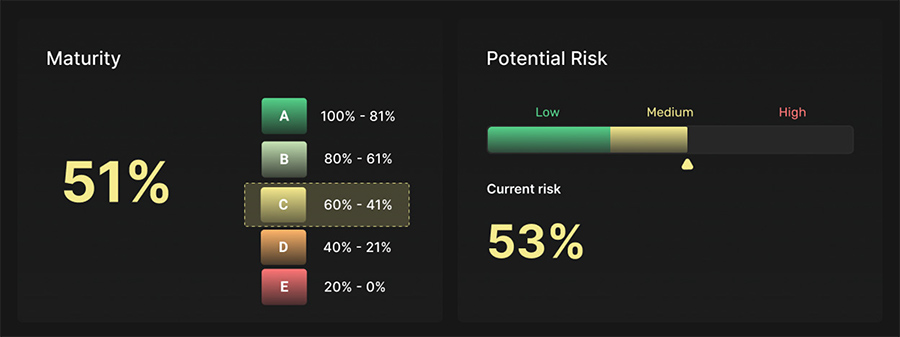
Amidst these shifts, the Digital Risks Index finds that ethical and legal exposure risk among these organizations has reached 53%, edging past their AI maturity level of 51%, and nearing the study’s higher-risk range. That means that a significant portion of organizations still have gaps in essential controls to prevent violations related to the various risks that AI adoption presents.
The wider findings point to a widening gap between Brazilian companies’ enthusiasm for AI and their preparedness to manage its risks responsibly, even as adoption accelerates worldwide. FTI Consulting’s research among general counsel found that generative AI adoption in legal departments jumped from 44% to 87% in a single year, and other analysis found a similar rise in executive attention to AI and technology capabilities.
A readiness gap between business and technology
The report traces the exposure to an organizational problem: Governance has not scaled with adoption. Half of the organizations surveyed report only occasional communication between business units and IT on AI projects, even as AI becomes embedded in daily operations and decision-making.
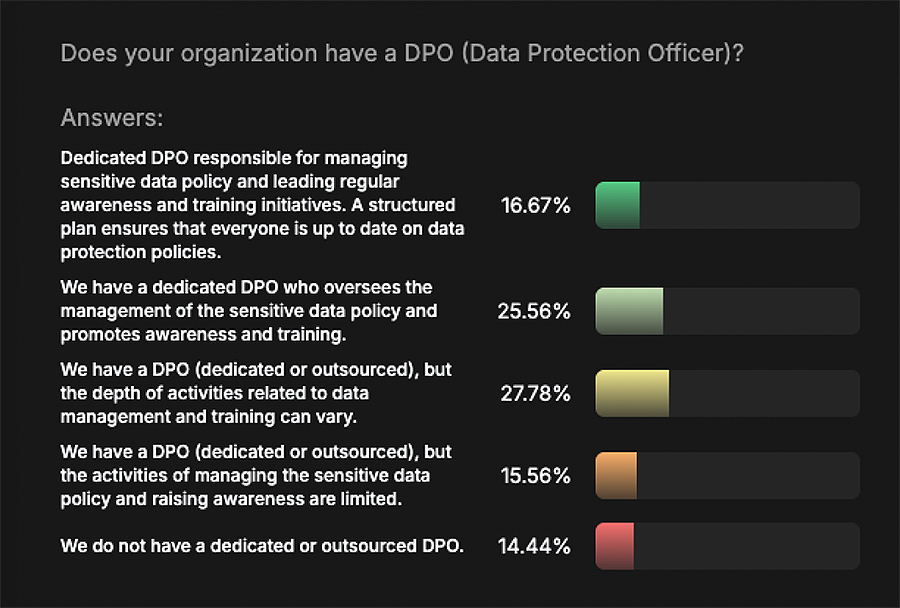
Training has not caught up either, with three-quarters of organizations lacking structured AI governance programs or relying on informal awareness efforts alone. Formal oversight remains rare, too. Only one-quarter of organizations report AI strategies tied to formal governance mechanisms, such as executive oversight, defined performance metrics, or dedicated funding.
Where the exposure is growing
Three risk areas stand out in the data. Privacy and compliance concerns drive much of the exposure, tied to personal data use, intellectual property, and weak oversight of automated decisions. Accountability structures often exist on paper but lack consistent follow-through or measurement, and the report suggests many organizations have not adapted existing governance frameworks for AI-specific risks.
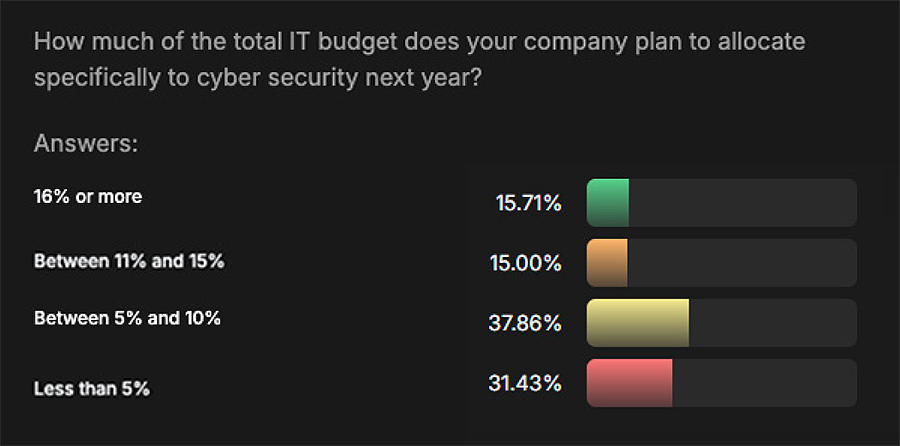
Cybersecurity lags further behind: Just 22% of organizations report a proactive AI security strategy that includes penetration testing, real-time monitoring, and incident response planning.
Exposure varies widely by sector. Government and healthcare organizations face the highest risk, given sensitive data, high public interest, and comparatively loose governance. Financial services, telecommunications, and technology companies show stronger governance maturity and lower exposure by comparison.
Regulation is catching up
Brazil’s AI framework remains a work in progress, even as enforcement of the country’s data protection law (Lei Geral de Proteção de Dados) continues to mature alongside broader expectations for accountability and transparency. Internationally, the EU AI Act signals a similar push toward documentation, risk assessment, and explainability.
The Digital Risks Index, which combines cybersecurity, data governance, and AI maturity into one score, rates Brazil at 58%, a sign of progress without full resilience. FTI Consulting’s report argues that companies must build governance structures, strengthen collaboration across legal, compliance, and business teams, and invest in training before AI scales further, rather than after problems emerge.
“The integration of cybersecurity, data governance, and AI as pillars of corporate digital risk creates a solid foundation for strategic decisions and immediate actions across the various economic sectors analyzed,” said Edgard Cornacchione Junior, president of Miti and professor at FEA-USP in São Paulo.
“Brazil presents a significant opportunity to strengthen digital risk mitigation, considering the current corporate maturity levels. These risks may elevate into real contingencies and liabilities, with responsibilities at the governance and management that are not yet clearly understood.”