Brazil’s ethanol boom stalls as drivers turn back to gasoline

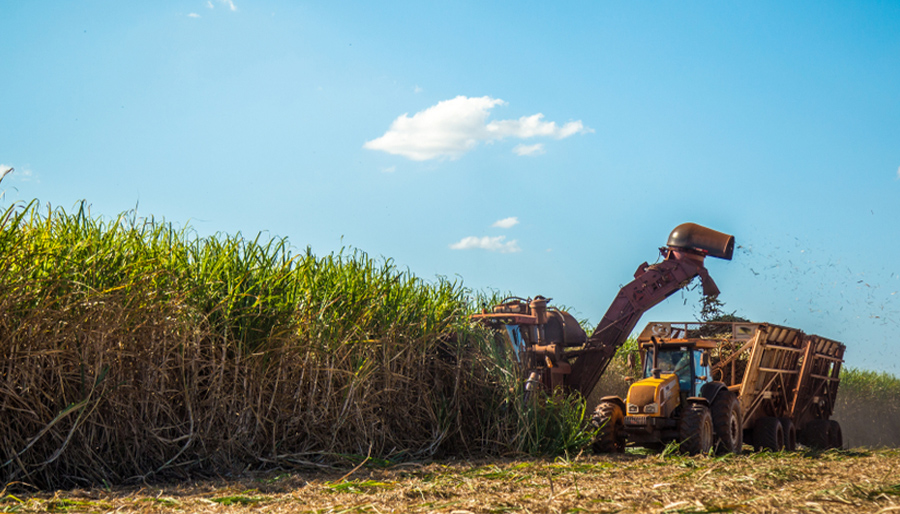
Ethanol consumption in Brazil is stagnating, according to analysis by agricultural consultancy DATAGRO. Produced from sugar cane, the alternative fuel is widely used by the country’s millions of flex-fuel vehicles, which together make up the largest fleet of their kind in the world.
Less than a third of those vehicles have run on sugar cane ethanol so far this year, even though the fuel is cheaper than gasoline across most of the country. Plinio Nastari, president of DATAGRO, said ethanol use has held at 29% since 2024, well below the 36.7% share the fuel held in 2019. He said this is happening despite a price advantage for ethanol that is even larger than it was seven years ago.
People that are not from Brazil may be surprised with how central ethanol is to daily life there. It is made from sugar cane, which is produced widely across the country and is also used to make alcoholic spirits like cachaça (basically Brazil’s version of rum).
Beginning in the 1970s, Brazil has built the largest flex-fuel fleet on the planet, made up of cars and trucks that can run on gasoline, on pure ethanol, or on any mix of the two. The technology behind the motors that use this fuel dates back to 2003, when Volkswagen’s Brazilian division released the first commercial flex-fuel car. Since then, more than 30 million flex-fuel cars and light trucks have been registered in the country, along with more than six million flex-fuel motorcycles.
Brazilian gas stations do not sell pure gasoline. By law, all gasoline sold at the pump is blended with a smaller share of ethanol, currently 32%. Drivers with flex-fuel vehicles then decide, largely based on price, whether to fill up with that blended gasoline or with pure hydrous ethanol, which contains a small amount of water. The choice is made by the driver, and the fuel system adjusts automatically.
Why drivers are turning away
Nastari pointed to a mix of causes behind the slump. He argued that misinformation about ethanol has spread, and said the industry has failed to properly explain the fuel’s benefits as a clean, renewable energy source. He also blamed government subsidies on gasoline, introduced after oil prices rose because of the war involving Iran, which he said hid ethanol’s true price advantage from drivers.
That advantage is real. Ethanol has been cheaper than gasoline across 67% of Brazil this year, according to Nastari. If flex-fuel drivers returned to using ethanol at 2019 levels, the country would consume about 8 billion liters more of the fuel than it does now.
The shift away from ethanol is not new. A pair of studies from 2009 found that 65% of flex-fuel owners nationwide regularly chose ethanol, a figure that climbed to 93% in São Paulo state, home to most of the country’s sugar cane production. A crisis in the ethanol industry that began that same year, combined with gasoline subsidies, pushed regular ethanol use down to just 23% of flex-fuel owners by late 2013.
Cleaner, but imperfect
Sugar cane ethanol is often described as a renewable fuel because the crop absorbs carbon dioxide as it grows, offsetting much of what is released when the fuel is burned. That has made it a rare example of a large-scale alternative to gasoline already built into a country’s transportation system, rather than a technology still waiting for wide adoption.
Despite that promise, it is not without drawbacks, since sugar cane farming requires land, water, and fertilizer, but researchers generally consider it far less carbon-intensive over its life cycle than gasoline. In any case, when it comes to sustainability, a domestically produced fuel is better than fuels like gas and diesel that rely on petroleum imported from other countries.
Production still rising
Even as demand lags, Brazil’s ethanol output is expected to reach a record 42 billion liters this year. Some in the industry have warned that this could lead to oversupply.
Sugar prices, however, have been supported by forecasts of a severe El Niño weather pattern and by India’s decision to allow tariff-free sugar imports. Nastari said that if prices climb further, producers in Brazil’s center-south region, the heart of the country’s sugar cane belt, may shift more of their focus toward food production rather than fuel.